Skip to content
Unruly Gardening
  • Home
  • Forage
  • Grow
  • Preserve
  • Cook
  • Craft
Search
Unruly Gardening
Search
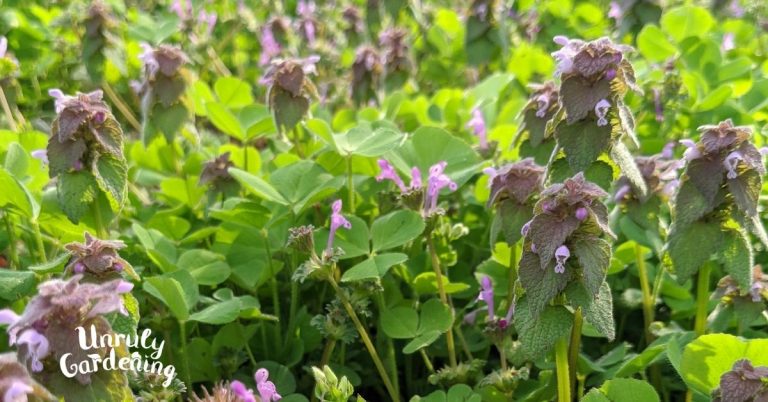
  • group of purple dead nettle and henbit weeds growing in a patch of clover

    Differences Between Henbit and Purple Dead Nettle

    Learn how to tell the difference between henbit and purple dead nettle, plus tips for using and eating these early spring weeds! Where to Find Henbit (Lamium amplexicaule) and purple dead nettle (Lamium purpureum) are two commonly confused weeds whose flowers appear around March, or early spring. You can easily go foraging for them in…
    Read More Differences Between Henbit and Purple Dead NettleContinue

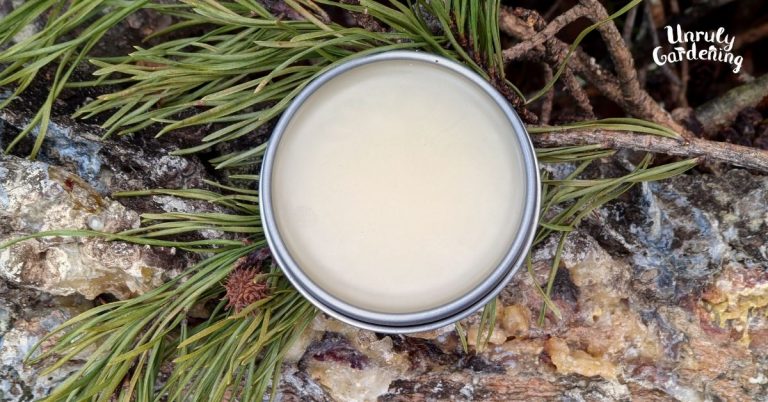
  • tin of salve on resin coated pine branch

    How to Forage & Use Pine Resin

    Learn how to forage and harvest pine resin, then use it to make a first aid salve, a decongestant balm, and a pine resin sore muscle rub! Resin is a substance that oozes or exudes from pine trees, and some other plants, to help heal wounds or seal off insect damage. Depending on what time…

    Read More How to Forage & Use Pine ResinContinue

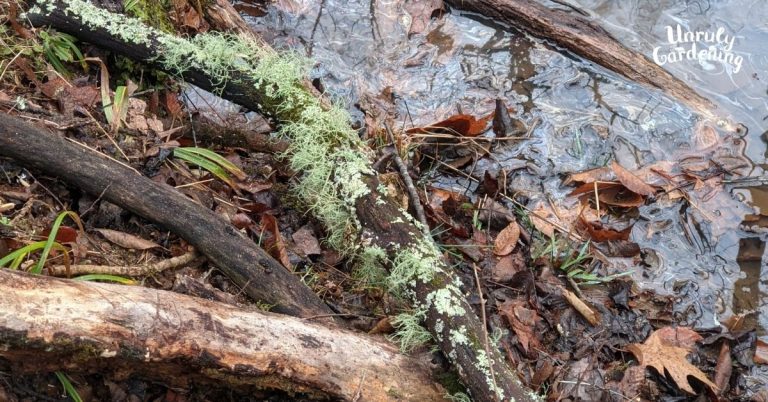
  • fallen branch covered with usnea and other lichen beside a forest stream

    Foraging Usnea Sustainably (+uses & recipes!)

    Learn how to harvest and use Usnea, a gray-green forest lichen with medicinal benefits! Also includes recipes for usnea tincture, infused oil, salve, and wound powder. Usnea (Usnea spp), is also called beard lichen, lungs of the forest, or old man’s beard. It’s considered a cooling, drying herb and is valued for its powerful action…

    Read More Foraging Usnea Sustainably (+uses & recipes!)Continue

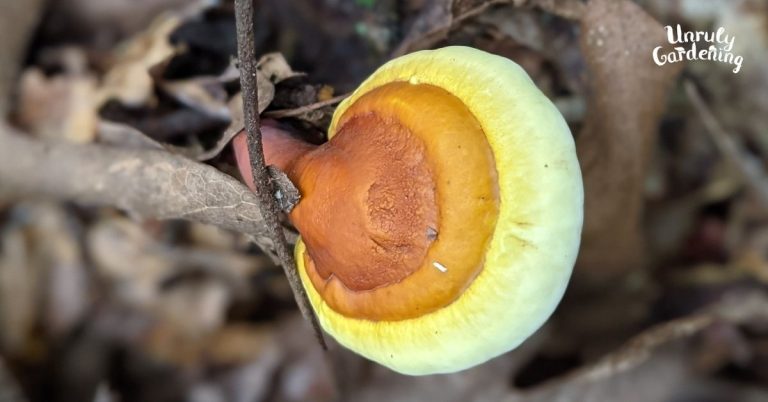
  • a young reishi mushroom

    Foraging & Using Reishi Mushrooms

    Learn how to identify and harvest reishi mushrooms, plus how to dry and use for tea and tincture. Reishi’s distinctive look makes them friendly for the beginner mushroom hunter! There are multiple species of reishi worldwide – all are thought to have some forms of medicinal properties and none have poisonous lookalikes. Here at our…

    Read More Foraging & Using Reishi MushroomsContinue

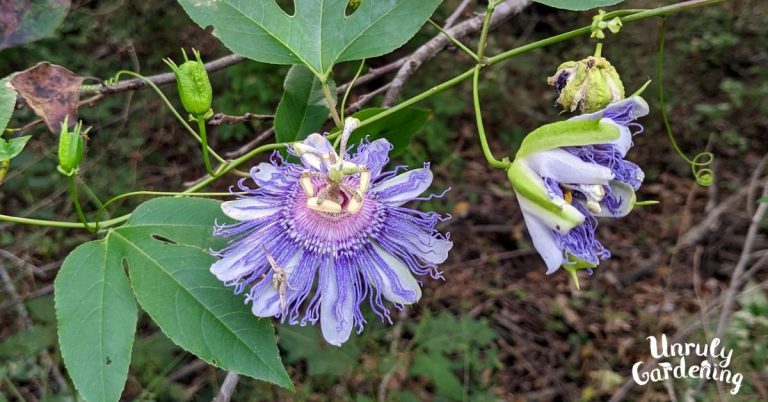
  • wild passionflower or maypop vine

    Growing & Foraging Passionflower & Maypops (+ ways to use them!)

    Our native passionflower (Passiflora incarnata) is a plant with many uses: it produces edible fruit called maypops, the leaves and buds have gentle calming properties, and the beautiful flowers are adored by pollinators! In fact, one specific butterfly, the Gulf Fritillary, relies on species of passionflower for its continued survival- it’s the only host plant…

    Read More Growing & Foraging Passionflower & Maypops (+ ways to use them!)Continue

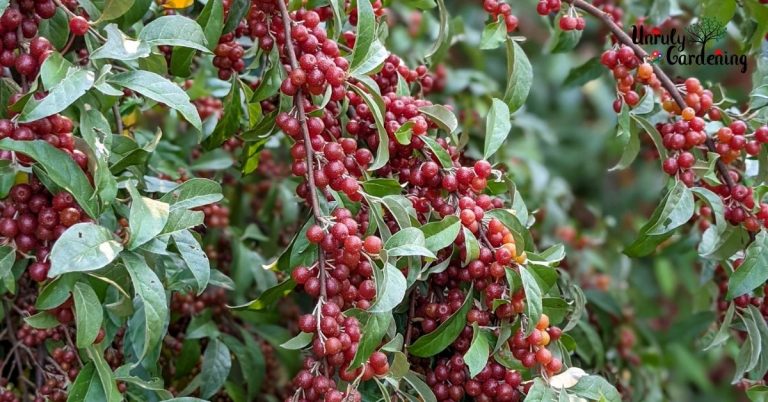
  • ripe autumn olive berries

    Foraging & Identifying Autumn Olive Berries (+lookalikes!)

    Autumn olive (Elaeagnus umbellata), sometimes called Autumnberry, is an invasive shrub that produces loads of tangy but tasty berries each fall. When perfectly ripe, we like to eat them right off of the bush (you can chew the seeds or spit them out) and turn them into a delicious seasonal jelly. In this article, we’ll…

    Read More Foraging & Identifying Autumn Olive Berries (+lookalikes!)Continue

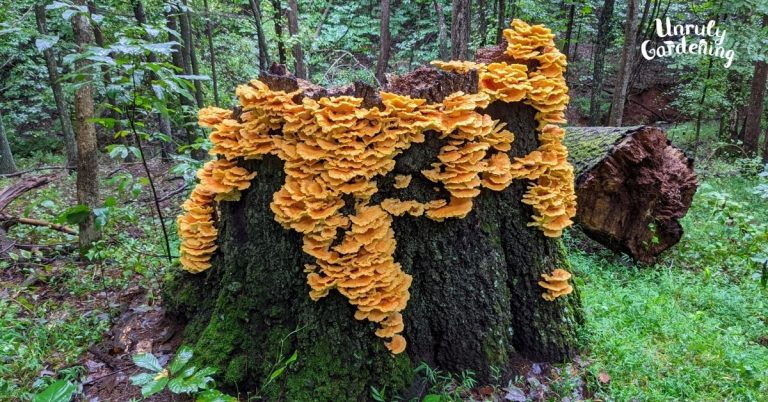
  • chicken of the woods growing on a stump

    Identifying Chicken of the Woods Mushroom

    For the new mushroom hunter, Chicken of the Woods is one the easiest and most beginner friendly mushrooms to find. This choice edible mushroom will quickly become a favorite that you’ll look for every time you head into the woods! What is Chicken of the Woods? Chicken of the Woods is a polypore mushroom –…

    Read More Identifying Chicken of the Woods MushroomContinue

  • closeup of jewelweed flower

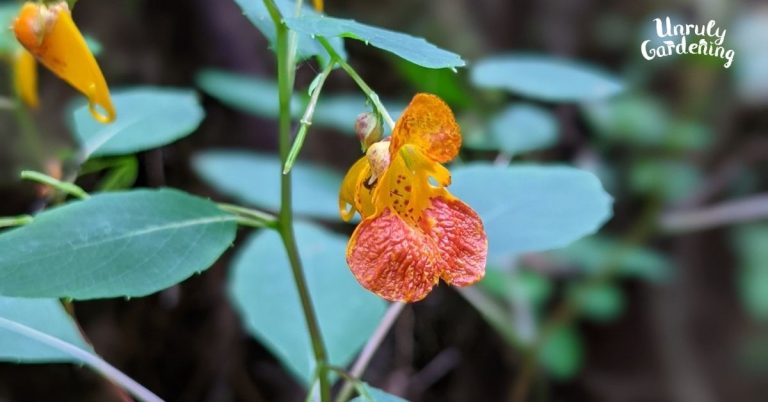
    How to Forage for Jewelweed + Uses

    Learn how to identify and forage for jewelweed (Impatiens capensis), then how to use it to make a soothing poison ivy salve, and a jewelweed itch remedy with apple cider vinegar. Jewelweed’s always a fun plant to go hunting for! Loved by children for the explosion of seeds that burst forth at the gentlest contact…

    Read More How to Forage for Jewelweed + UsesContinue

  • self heal flowers and salve on a wooden background

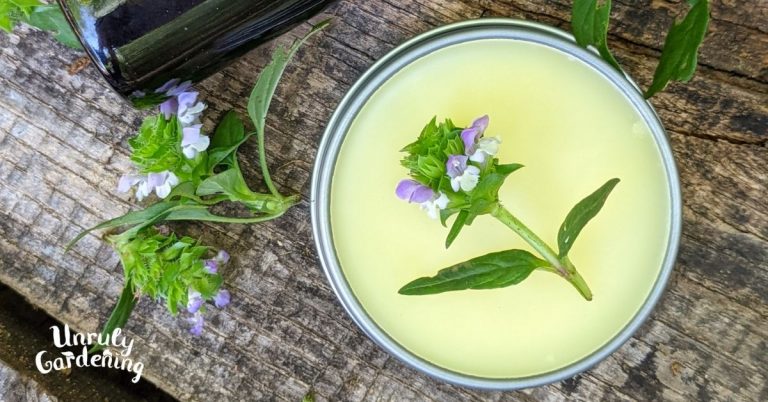
    Foraging & Using Self Heal (Heal All)

    Learn how to forage for Self Heal (Prunella vulgaris), plus how to use it, including tincture, tea, and salve recipes! Self Heal (Prunella vulgaris), also called “heal all”, is a common weed found growing on lawns, field edges, and creek banks all throughout North America and other parts of the world. Besides being a great…

    Read More Foraging & Using Self Heal (Heal All)Continue

  • basket of fresh elderberries

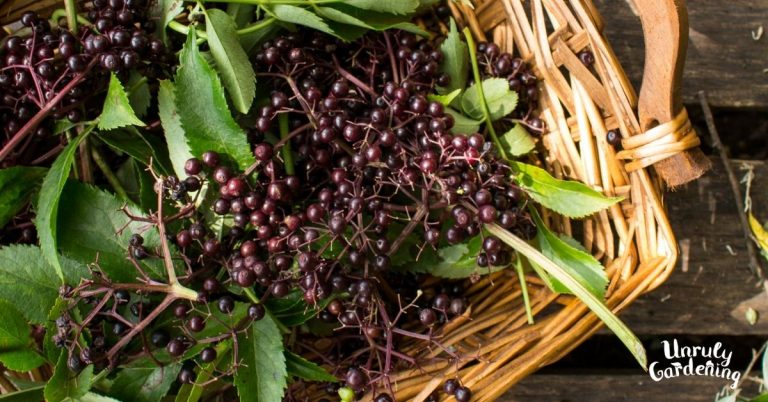
    Elderberries: How to Harvest, Preserve & Use (+Free Printable Cheat Sheet!)

    Learn how to harvest, store, freeze, and dry elderberries, then how to turn them into healthy syrup, tea, vinegar, oxymel, and more! July 2023 update: I’ve also made a free printable “cheat sheet” of Elderberry Remedies & Recipes that you can grab below. (No signup required!) Have a bounty of elderberries and not quite sure…

    Read More Elderberries: How to Harvest, Preserve & Use (+Free Printable Cheat Sheet!)Continue

  • basket of wineberries

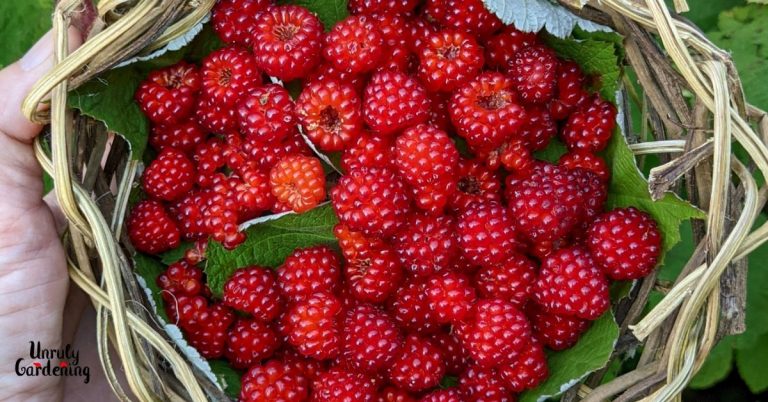
    Foraging Wineberry

    Wineberry, also called Japanese raspberry, or wine raspberry, is an invasive (but very delicious!) species that can be found growing wild in the Eastern parts of North America. Wineberry (Rubus phoenicolasius) has no poisonous look-a-likes in the U.S., making it a good option for beginner foragers to explore. Around here (growing zone 7 USA), the…

    Read More Foraging WineberryContinue

  • yarrow and queen anne's lace flowers

    Differences Between Yarrow & Queen Anne’s Lace

    Yarrow and Queen Anne’s Lace have overlapping bloom times so it can be easy to mix them up, but these tips about their differences will help you tell them apart! What’s Yarrow? Yarrow (Achillea millefolium) is a perennial flowering plant with feathery leaves. You’ll often find it growing in sunny meadows, at the edges of…

    Read More Differences Between Yarrow & Queen Anne’s LaceContinue

Page navigation

Previous PagePrevious 1 2 3 4 Next PageNext
  • About Us
  • Disclaimer
  • Contact
  • Privacy Policy
  • No AI

At Unruly Gardening, we are passionate about sharing reliable and helpful information, based on our personal experiences and expertise. We are a family of real people writing about things we've personally made, foraged, or grown and we NEVER use AI to write our content for us!

© 2026 Unruly Gardening

UnrulyGardening.com is a participant in the Amazon Services LLC Associates Program. As an Amazon Associate we earn from qualifying purchases.

  • Home
  • Forage
  • Grow
  • Preserve
  • Cook
  • Craft