Skip to content
Unruly Gardening
  • Home
  • Forage
  • Grow
  • Preserve
  • Cook
  • Craft
Search
Unruly Gardening
Search
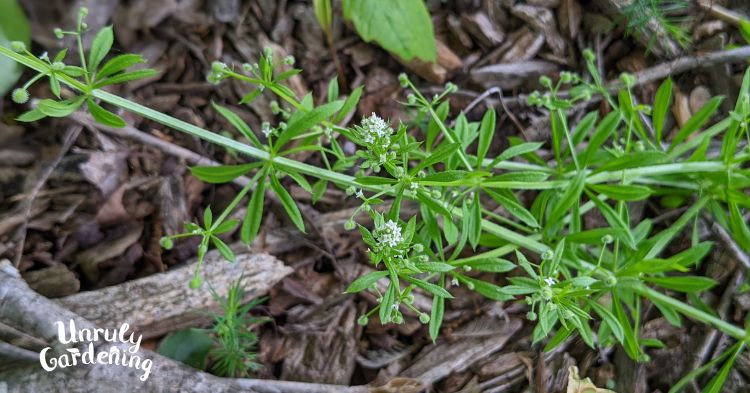
  • a sprawling galium aparine plant

    Foraging & Using Cleavers

    Cleavers is a common edible weed that also has herbal benefits. Learn how to identify and forage cleavers, plus ways to use it! Cleavers (Galium aparine) is a widely found spring weed that you’re likely to find in your garden, flower beds, or while exploring the forest around you. Other common names for cleavers include:…
    Read More Foraging & Using CleaversContinue

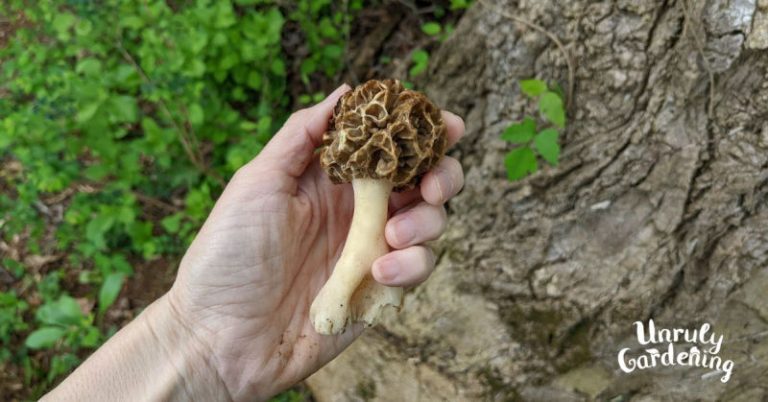
  • woman's hand holding a freshly picked morel

    12 Tips for Foraging Morel Mushrooms

    Are you hoping to forage some elusive morel mushrooms this year? These tips for hunting morels should be useful! 1. When to Start Searching Morel mushrooms (Morchella spp) are only around for a short window each spring, but it can be hard to know exactly when to begin your mushroom hunting. Morel mushroom hunting season…

    Read More 12 Tips for Foraging Morel MushroomsContinue

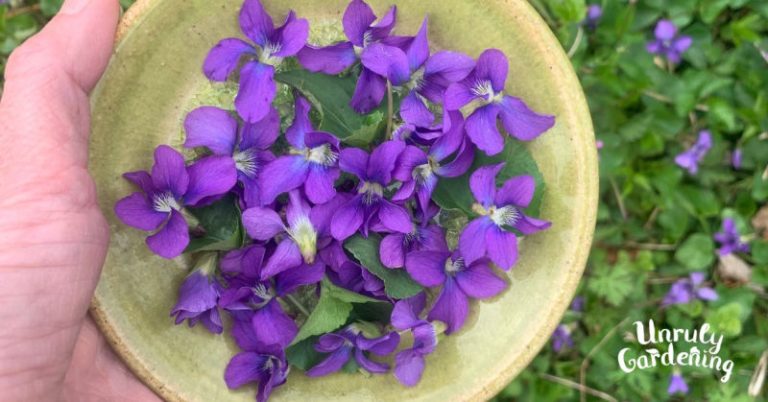
  • saucer of fresh violet flowers and leaves

    Foraging Violets: How to Identify, Harvest & Use!

    Learn how to identify and forage for wild violets, plus how to harvest, preserve, and use them. Often considered a backyard weed, violets provide value to native butterflies, bees, and wildlife, and they offer food and herbal benefits for humans too! Foraging wild violets is an easy and fun springtime activity! Here’s how to make…

    Read More Foraging Violets: How to Identify, Harvest & Use!Continue

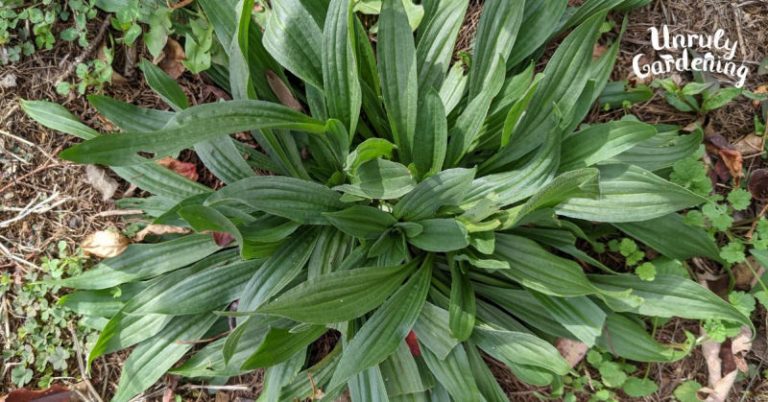
  • a plantain plant with narrow leaves

    Foraging Plantain Leaf & Uses

    Learn how to identify and forage plantain, a common backyard weed, plus how to harvest, dry, and use it! The herbal weed we know as plantain belongs to the family Plantago – of which there are about 275 species worldwide. Some of the plantagos most commonly seen here in the United States are non-native, introduced…

    Read More Foraging Plantain Leaf & UsesContinue

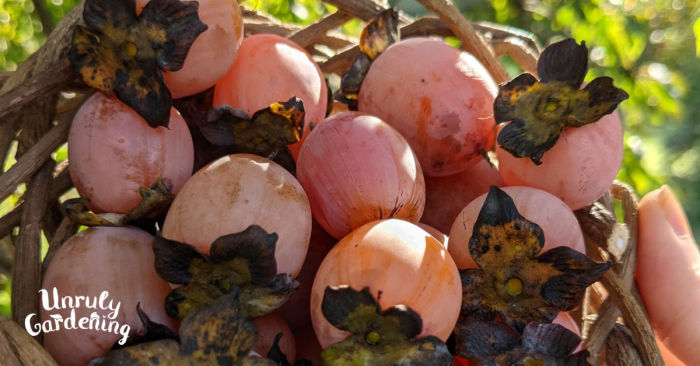
  • small basket containing wild persimmons

    Foraging & Harvesting Wild Persimmons

    Learn how to identify, harvest, and preserve wild American persimmons, a tasty late-fall foraged food! Look for American persimmon (Diospyros virginiana) trees growing along field edges. They can sometimes have a shrubby appearance, especially when young, but can eventually grow quite tall – 20 to 60 feet. Unfortunately, many invasive shrubs, such as Autumn Olive…

    Read More Foraging & Harvesting Wild PersimmonsContinue

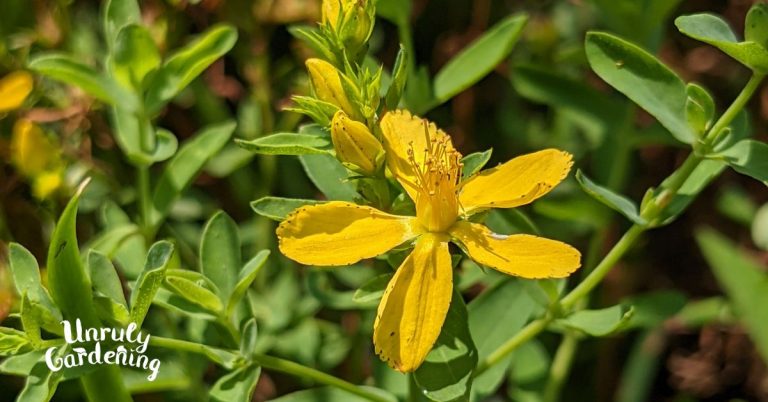
  • st johns wort flower

    Foraging St. John’s Wort: How To Identify And Harvest

    St. John’s Wort (Hypericum perforatum) is a common weed with beautiful yellow flowers that are well loved by pollinators and herbalists alike! Learn how to identify and when to harvest this herb – then check out our accompanying article for information on making St. John’s Wort infused oil and salve for aches and pains! Tips…

    Read More Foraging St. John’s Wort: How To Identify And HarvestContinue

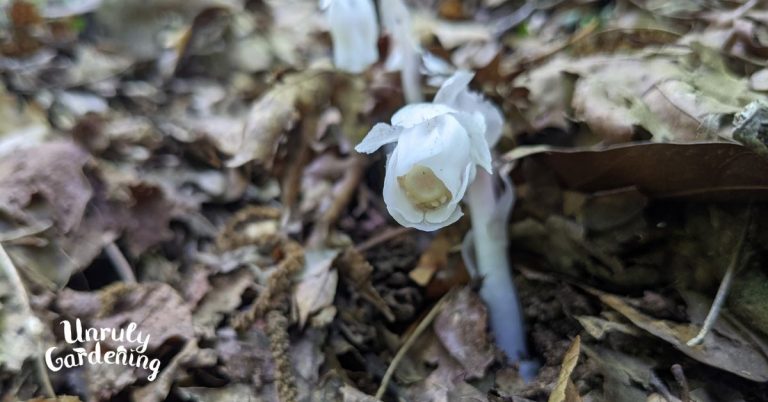
  • ghost pipe flower

    All About Ghost Pipe (Monotropa uniflora)

    In this article, you’ll learn what the data says about ghost pipe (Monotropa uniflora). Is it endangered? Edible? Poisonous? Find out the answers to all of your questions below! Around June 8 every year, we start finding Ghost Pipe (also called Indian Pipe), mainly around our creek area. This year so far, we’ve had a…

    Read More All About Ghost Pipe (Monotropa uniflora)Continue

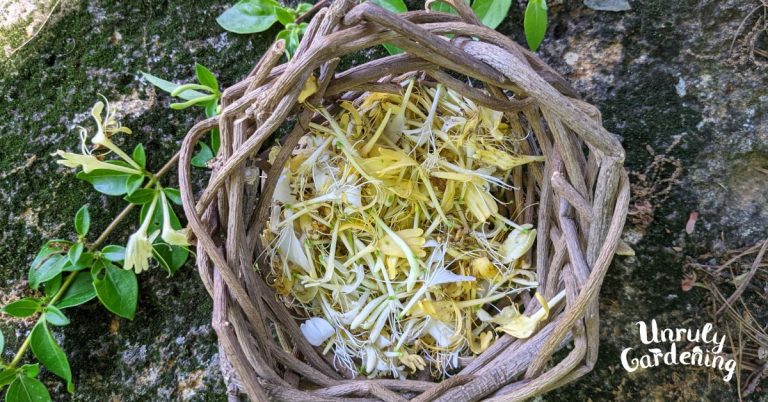
  • basket of freshly gathered honeysuckle flowers

    Foraging Japanese Honeysuckle

    Learn how to identify Japanese honeysuckle, an edible flower that can be used for tea, tincture, jelly, and more! Japanese honeysuckle (Lonicera japonica) is a non-native species of honeysuckle that you’ll often find growing in the wild. The trumpet shaped edible flowers not only smell amazing, they have food and herbal medicine uses too! Because…

    Read More Foraging Japanese HoneysuckleContinue

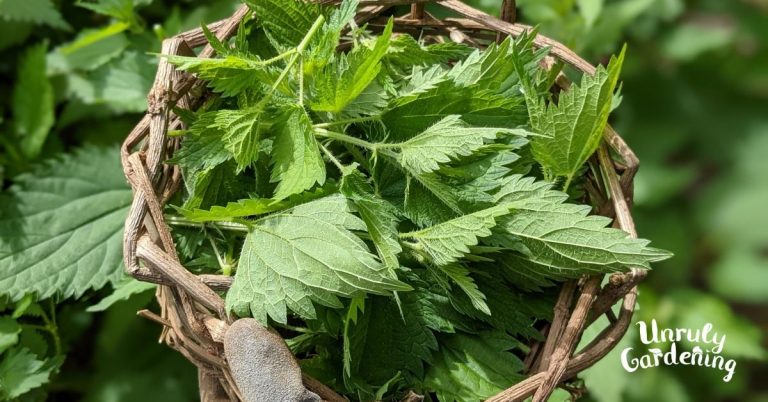
  • basket of stinging nettle

    Foraging Stinging Nettle + Uses!

    Learn how to identify, safely harvest, prepare, and preserve stinging nettle, plus ways to use it for food, natural medicine, and more! Stinging Nettle (Urtica dioica) is delicious and nutritious wild edible that may already be growing near you. (If not, you can also grow it as an outdoors potted plant.) Not only is it…

    Read More Foraging Stinging Nettle + Uses!Continue

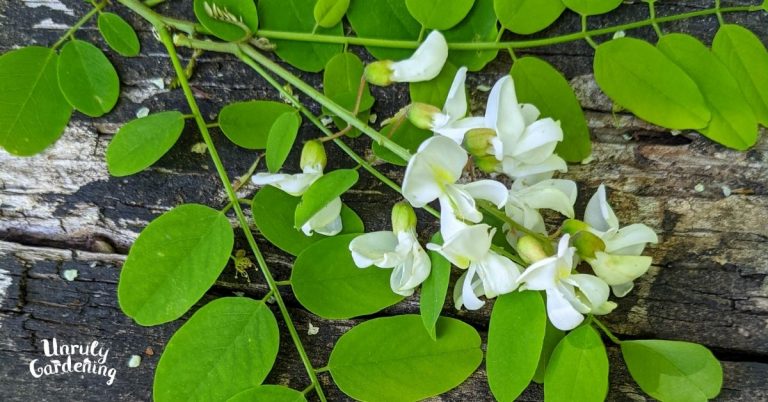
  • black locust flowers and leaves

    Foraging Black Locust Flowers

    Tasty and nutritious, black locust flowers are only in bloom for about two weeks each spring. Here’s how to identify and harvest them, plus ideas for using! Black locust trees (Robinia pseudoacacia), also called false acacia, are native to southeastern United States, but have spread throughout North America and the rest of the world. You’ll…

    Read More Foraging Black Locust FlowersContinue

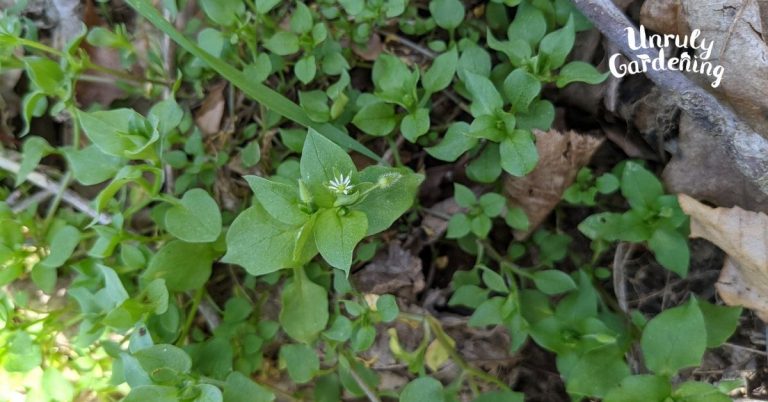
  • common chickweed, stellaria media

    Foraging & Using Chickweed

    Learn how to identify and use chickweed – a common backyard weed that’s nutritious and delicious, and can also be turned into salves for itchy skin, and more! Where & When to Look for Chickweed While common chickweed (Stellaria media) isn’t a native plant, it has naturalized and spread all over North America, and is…

    Read More Foraging & Using ChickweedContinue

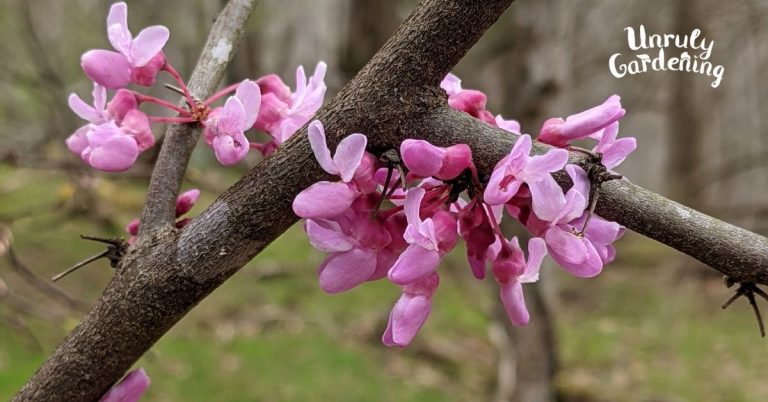
  • redbud flowers growing on a branch

    Identifying & Using Redbud Flowers

    Learn how to identify and use Eastern redbud – a beautiful spring flowering tree that produces edible flowers! Where Redbud Grows Eastern Redbud (Cercis canadensis) is native to the eastern part of North America – from the top part of Florida, all the way up to southern New England, and westward towards the Great Plains….

    Read More Identifying & Using Redbud FlowersContinue

Page navigation

Previous PagePrevious 1 2 3 4 Next PageNext
  • About Us
  • Disclaimer
  • Contact
  • Privacy Policy
  • No AI

At Unruly Gardening, we are passionate about sharing reliable and helpful information, based on our personal experiences and expertise. We are a family of real people writing about things we've personally made, foraged, or grown and we NEVER use AI to write our content for us!

© 2026 Unruly Gardening

UnrulyGardening.com is a participant in the Amazon Services LLC Associates Program. As an Amazon Associate we earn from qualifying purchases.

  • Home
  • Forage
  • Grow
  • Preserve
  • Cook
  • Craft